

Coaching is one of the most powerful catalysts for growth inside any organization. In the same way Aligned Sales empowers buyers to discover their own path forward, coaching empowers leaders and employees to uncover untapped potential, refine their strengths, and achieve meaningful, sustainable excellence.
Coaching isn’t simply a supportive conversation—it’s a deliberate, curiosity-driven process that helps people clarify what excellence looks like for them and align their actions with their aspirations.
Self-Discovery: The Core of Excellence and Alignment
The greatest breakthroughs happen when people uncover insights for themselves. Many leaders and employees hold far more capability than they realize—what holds them back are limiting beliefs, lack of clarity, or outdated assumptions.
Coaching, much like the Aligned Sales approach, creates space for self-discovery. Instead of telling, it invites exploration. Instead of prescribing, it partners.
Through thoughtful questions and reflective dialogue, individuals:
- Reveal strengths they didn’t realize they had
- Challenge limiting patterns
- Align decisions with their values and goals
- Build confidence through clarity, not pressure
This is alignment in action—supporting people in discovering their own “why,” “what,” and “how.”
How Coaching Elevates Leadership and Team Performance
For leaders, coaching strengthens emotional intelligence, broadens strategic thinking, and reveals blind spots that may be silently limiting impact—such as reactive decision-making or the pressure to have all the answers.
For employees, coaching increases clarity on goals, expectations, and career direction. It also provides the psychological safety to explore challenges honestly and take ownership of their development.
Research consistently shows that coached individuals experience higher:
- Productivity
- Innovation
- Engagement
- Job satisfaction
These outcomes mirror the benefits of the Aligned Sales approach: when people feel supported rather than directed, clarity replaces resistance, and performance naturally rises.
The Techniques: Curiosity, Active Listening, and Powerful Questions
Aligned Sales rests on curiosity, active listening, and partnership—so does coaching for excellence.
Effective coaches ask questions that uncover motivation and clarify intention:
- “What does excellence look like for you in this situation?”
- “What strengths can you leverage to move forward?”
- “Where do you feel most aligned—or misaligned—right now?”
These questions inspire self-motivation. They ignite the desire not just to know, but to act.
While training imparts skills, coaching transforms how—and why—those skills are applied.
Embedding Coaching into Daily Work
To harness coaching for excellence, consistency is key. Coaching should become a rhythm, not an event.
Practical steps include:
- Bi-weekly coaching check-ins focused on specific outcomes and alignment
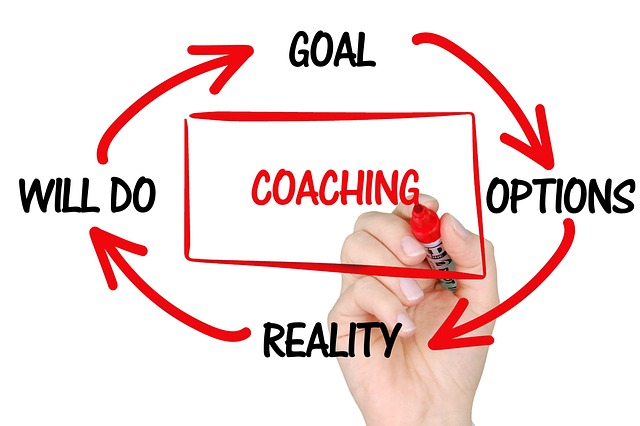
- Using the GROW model (Goal, Reality, Options, Will) to guide structured reflection
- Establishing shared goals and definitions of excellence
- Reviewing not just results, but learning and alignment
When coaching becomes part of the operating culture, leaders amplify their impact by elevating others—not through pressure, but through partnership.
Building a Culture of Excellence Through Alignment
Organizations see exponential growth when coaching becomes a cultural norm. Leaders trained in coaching methods create ripple effects that lift entire teams—from new hires to senior executives.
As people experience early wins—breakthrough thinking, clearer priorities, reduced friction—skepticism dissolves. Coaching becomes indispensable because it works.
It supports a culture where:
- People feel safe to reflect
- Alignment replaces ambiguity
- Strengths become strategic advantages
- Excellence is defined collectively, not imposed
This is how Aligned Sales principles transform internal performance—not through pushing, but through partnering.
Transforming Potential into Excellence
Coaching for excellence turns potential into performance and performance into mastery. It equips leaders and employees to navigate complexity, innovate confidently, and consistently deliver high-level results.
Those who embrace coaching—and alignment—don’t just meet expectations.
They elevate them.
They set new standards for what excellence can look like across the organization.
To keep progress visible, teams can track aligned goals, key milestones, and shared success metrics. Celebrating growth reinforces momentum and strengthens the culture of excellence.